
18.09.2025
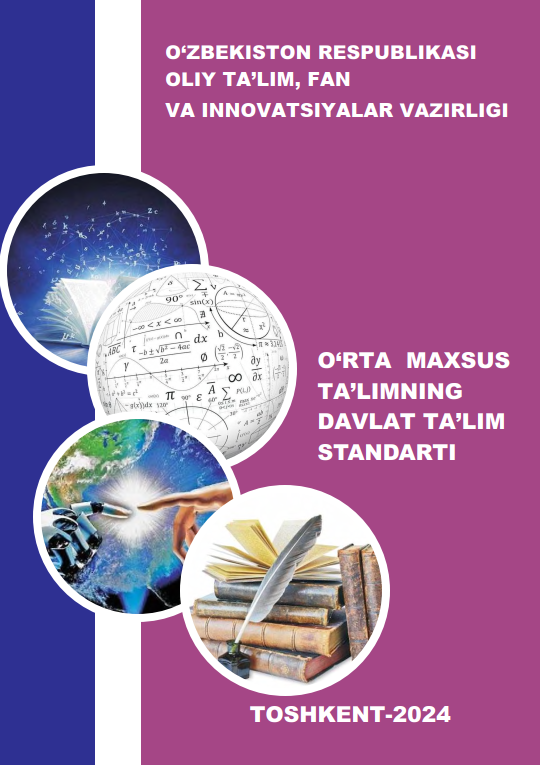
During the 2025–2026 academic year, efforts to improve educational programmes at the Academic Lyceum of the University of World Economy and Diplomacy were carried out in accordance with the applicable state educational standards of the Republic of Uzbekistan, curricula established by the Ministry of Higher Education, Science and Innovation, and approved subject syllabi.
Particular attention was paid to ensuring that educational content met established requirements and standards, strengthening interdisciplinary links, developing students’ knowledge, skills and competencies, and preparing them purposefully for further studies at higher education institutions.
In the Natural and Exact Sciences track, work based on the mathematics curriculum focused on consolidating students’ theoretical knowledge, developing logical and algorithmic thinking, strengthening analytical skills, and improving their ability to solve complex problems.
In the Social Sciences and Humanities-2 (History) track, the teaching of the History of Uzbekistan and World History focused on developing students’ historical thinking, comparative analysis of historical events and developments, the ability to work with historical sources, independent reasoning, and respect for national and universal human values.
In the Social Sciences and Humanities-5 (Law) track, educational activities based on law-related subject syllabi focused on strengthening students’ legal knowledge, understanding legislative provisions and applying them in practical situations, improving legal literacy, fostering civic responsibility, and developing independent thinking skills.
In the Foreign Languages track, in accordance with the approved subject syllabi, particular emphasis was placed on developing students’ listening, reading, writing and speaking skills, strengthening communicative competence, and fostering knowledge and skills that meet international educational requirements.
Furthermore, the process of improving educational programmes included reviewing teachers’ proposals and recommendations, analysing students’ academic performance, monitoring the educational process, and promoting the effective use of available teaching and methodological resources.
Going forward, systematic efforts will continue to regularly assess the compliance of educational programmes with state educational standards and approved subject syllabi, introduce advanced teaching practices, strengthen interdisciplinary links, and further improve the quality of education.